NIRAMAI AI: Revolutionizing Early Breast Cancer Detection in India
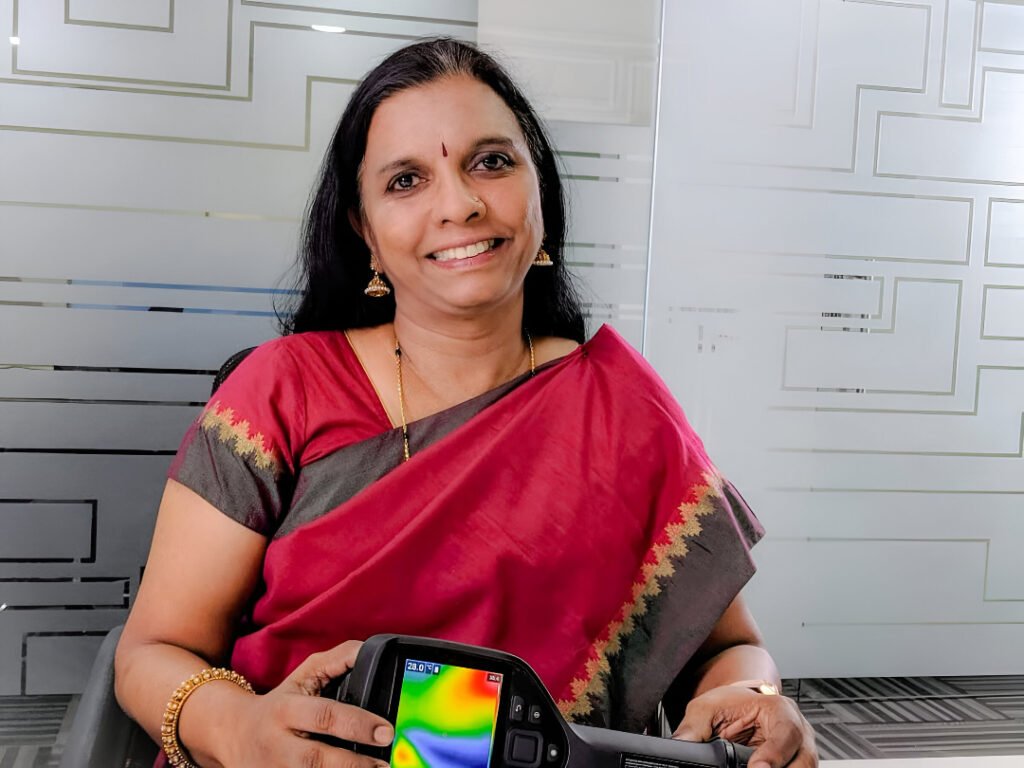
Dr. Geetha Manjunath created NIRAMAI AI after a friend of hers had to get a cancer diagnosis due to a doctor’s mistake. This AI uses thermal imaging and advanced algorithms to detect breast cancer early, in a safe, non-invasive, and radiation-free way. Unlike traditional mammograms, NIRAMAI works well for women of all ages, including those with dense breasts. It is portable and affordable, making breast cancer screening accessible to women in rural and smaller cities across India. This breakthrough technology improves early detection and survival rates significantly.
Qure.ai: Faster and More Accurate Chest X-ray Analysis
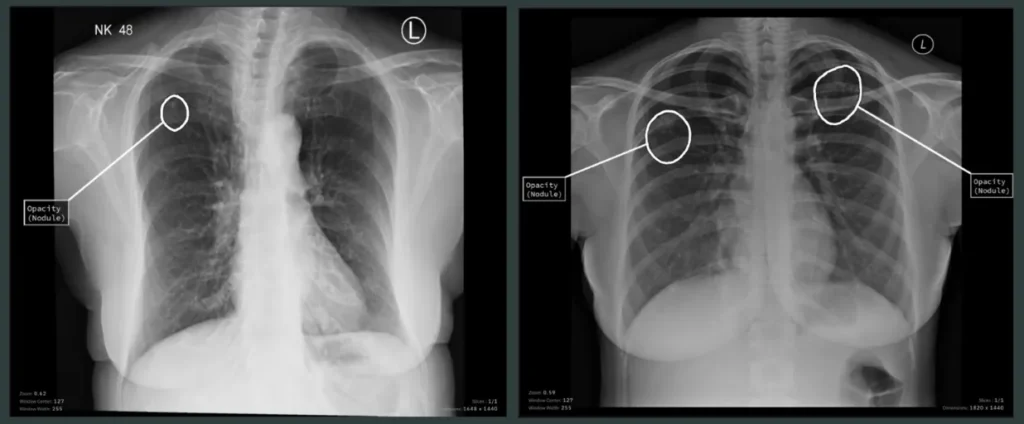
Another Indian AI innovation is Qure.ai, which analyzes chest X-rays more quickly and accurately than radiologists. In India, there is only one radiologist per 100,000 people. Qure.ai’s AI helps bridge this gap by providing real-time analysis, especially important for diseases like tuberculosis. Its tool, qXR, reduces turnaround time dramatically, improving diagnosis and treatment speed in many healthcare centers.
Aindra Systems: AI for Cervical Cancer Screening in Rural Areas
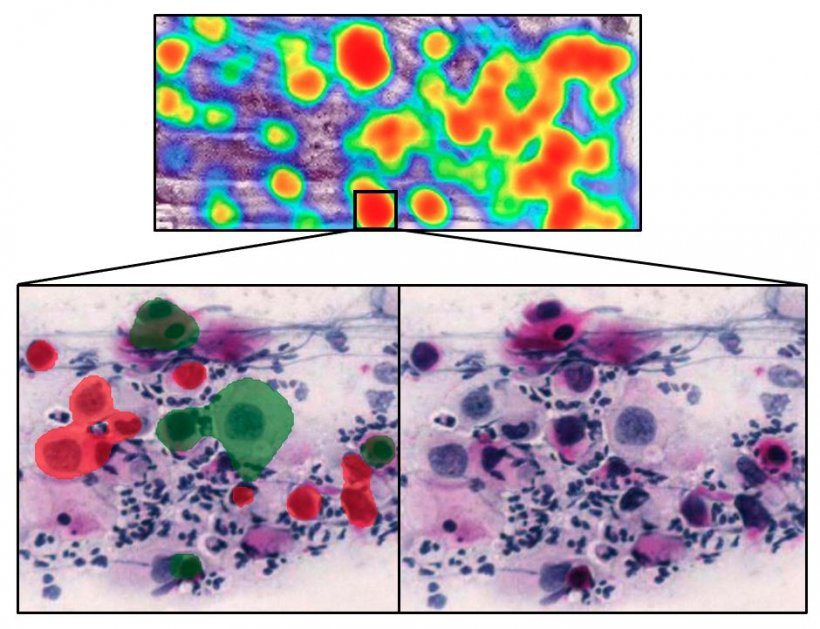
During the COVID-19 pandemic, Aindra Systems deployed AI-powered cervical cancer screening in villages where many women had never seen a gynecologist. Their portable system offers scanning with over 90% accuracy, enabling early detection at low cost. This AI solution helps tackle cervical cancer, the second most common cancer among Indian women, particularly in remote areas.
Growing Impact of AI in India’s Medical Sector
These examples are part of a larger trend of AI innovations made in India improving healthcare. AI is helping screen diseases faster, more accurately, and at lower costs, especially in rural regions where medical experts are scarce. The government and startups are working together to bring AI-powered diagnostics, telemedicine, and treatment support widely across the country.
What Are Other Uses of AI in Healthcare?
AI is also useful in analyzing CT scans, MRIs, blood tests, and automating administrative tasks in hospitals. It supports doctors by highlighting subtle anomalies that may be missed by human eyes and enhances patient care efficiency.
Share thoughts in the comments on where else AI can be useful in the medical field. Stay tuned for the next video in the “90 Days of Exploring Indian Tech” series.