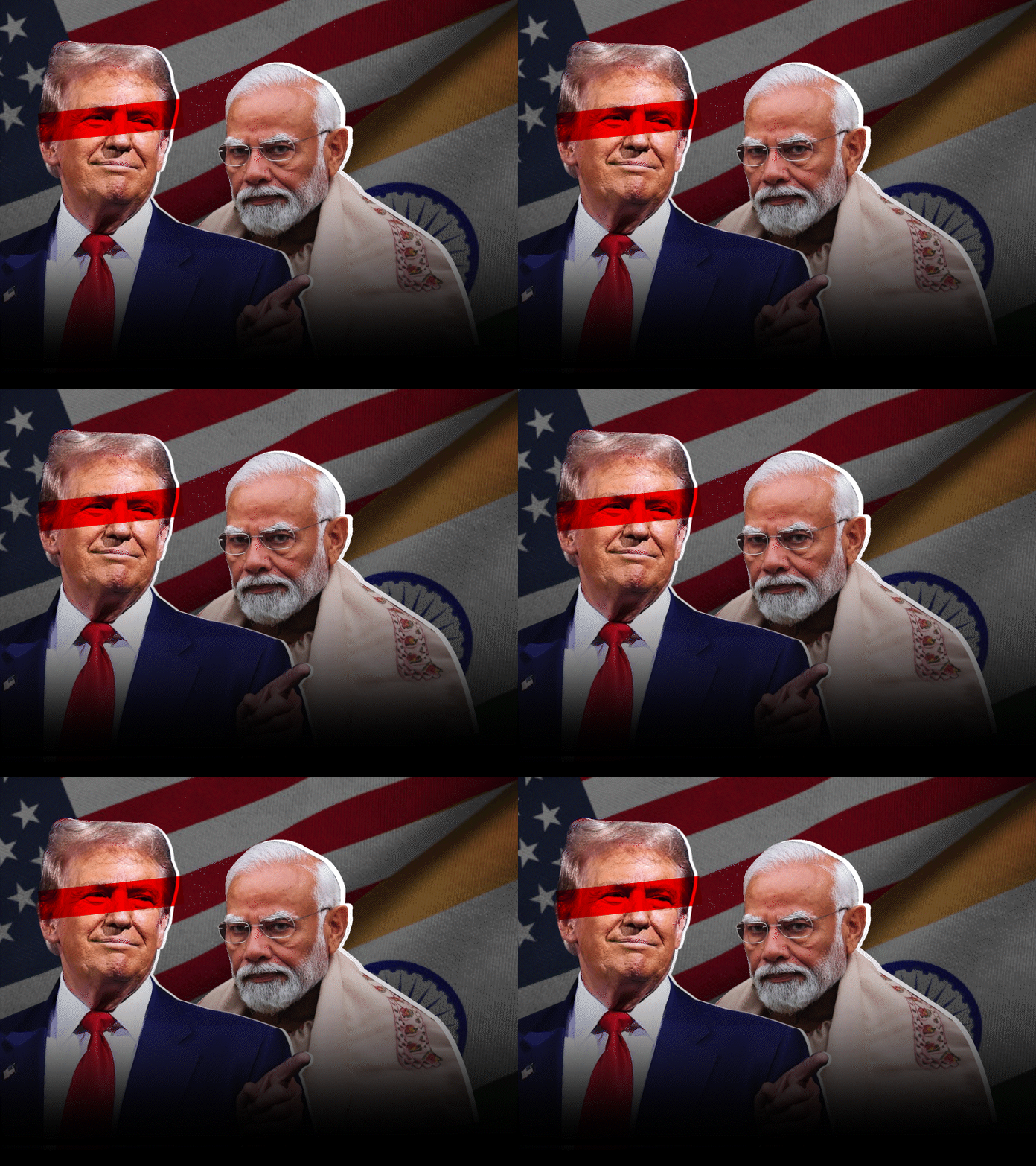
The United States has imposed a 50% tariff on Indian goods in August 2025, creating mixed effects on India’s technology sector. While these tariffs don’t directly target IT services, they create both challenges and opportunities for Indian tech companies and manufacturers.
Negative Effects on Indian Tech Market
IT Services Face Indirect Pressure
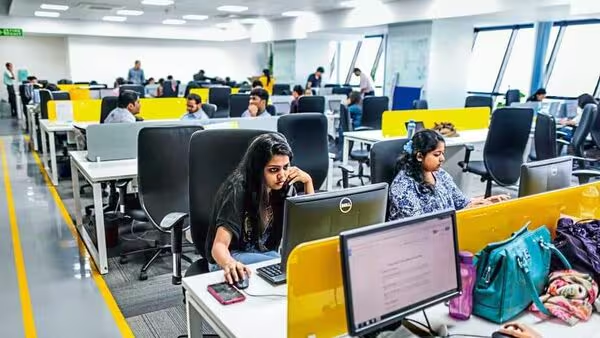
Although US tariffs don’t directly affect IT services exports, Indian tech companies are experiencing second-order effects. Major IT firms like TCS, Infosys, Wipro, and HCL Technologies face challenges as their US clients reduce discretionary spending due to higher input costs. TCS alone has laid off over 12,000 employees in 2025, primarily in mid-level roles.
Electronics Exports Hit Hard
India’s electronics sector could lose up to $30 billion due to the new tariff environment. While smartphones remain largely exempt due to Apple and Samsung’s local manufacturing, other electronics like battery chargers, electric inverters, and transformer parts face the full 50% tariff. Semiconductor components may face tariffs as high as 100% in some cases.
Reduced Competitiveness
Indian products now face disadvantages compared to competitors like Vietnam (20% tariff), Indonesia, and Japan, potentially pushing US buyers to seek alternatives from lower-tariff countries. The tariffs affect approximately 65% of India’s exports to the US, covering textiles, gems, footwear, chemicals, and machinery.
Positive Benefits for Indian Tech Market
Electronics Manufacturing Advantage
Despite facing tariffs, India still benefits compared to China, which faces 145% tariffs on many products. At 27%, India’s effective tariff rate remains competitive compared to China’s 54% or Vietnam’s 46%. This creates opportunities for Indian electronics manufacturers to capture market share previously held by Chinese companies.
Supply Chain Diversification
US companies are actively seeking alternatives to Chinese suppliers, creating opportunities for Indian exporters across multiple sectors. American companies that previously sourced up to $1 billion annually from China are now approaching Indian manufacturers for textiles, engineering goods, and electronics.
Government Support Through PLI Schemes
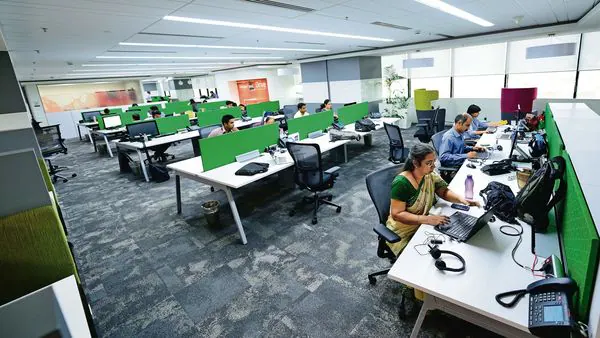
India’s Production Linked Incentive (PLI) schemes offer 4-6% incentives on incremental sales, helping offset tariff disadvantages. Major global companies like Foxconn, Wistron (Tata), and Dixon Technologies have received ₹4,400 crore in allocations under these schemes.
Smartphone and Consumer Electronics Gains
Apple Manufacturing Expansion
Apple, which makes 70% of its India-assembled iPhones for export, is expected to increase output as China faces steeper US tariffs. India’s smartphone exports to the US have grown significantly, with 60% of US-bound smartphone shipments being iPhones.
Alternative Manufacturing Hub
India is emerging as a preferred alternative to China for electronics manufacturing. Contract manufacturer Dixon Technologies expects increased exports due to India’s tariff advantage, with current US exposure of ₹1,700-1,800 crore in FY25.
Government Response and Mitigation
GST Rate Reforms
Prime Minister Modi has implemented GST reforms to reduce production costs for Indian companies, helping them compete globally despite tariffs. These reforms aim to partially offset the higher costs imposed by US tariffs.
Trade Diversification Strategy
India is fast-tracking free trade agreements with the European Union, Gulf nations, and East Asian countries to reduce dependency on the US market and find alternative export destinations.
Future Outlook
Long-term Competitive Positioning
Industry experts suggest India’s electronics manufacturing sector may benefit from global supply chain shifts over the long term. The government’s focus on moving up the value chain in textiles, engineering, and electronics could make Indian products attractive despite tariffs.
Investment in Infrastructure
India’s electronics exports are projected to reach $37.5 billion in FY25, with $13.5 billion from the US market. Continued investment in manufacturing capabilities and infrastructure will determine India’s ability to capitalize on the shifting global trade landscape.
The US tariffs present a double-edged scenario for India’s tech market – creating immediate challenges for exporters while simultaneously opening opportunities to capture market share from China and establish India as a reliable alternative manufacturing hub in the global supply chain.