On June 28, for the first time in India’s history, e-voting was introduced during the Bihar local elections. Voters were able to cast their votes from the comfort of their homes using their mobile phones. This system made voting easier for people who are ill, pregnant women, or those working abroad, as they did not need to visit a polling booth.
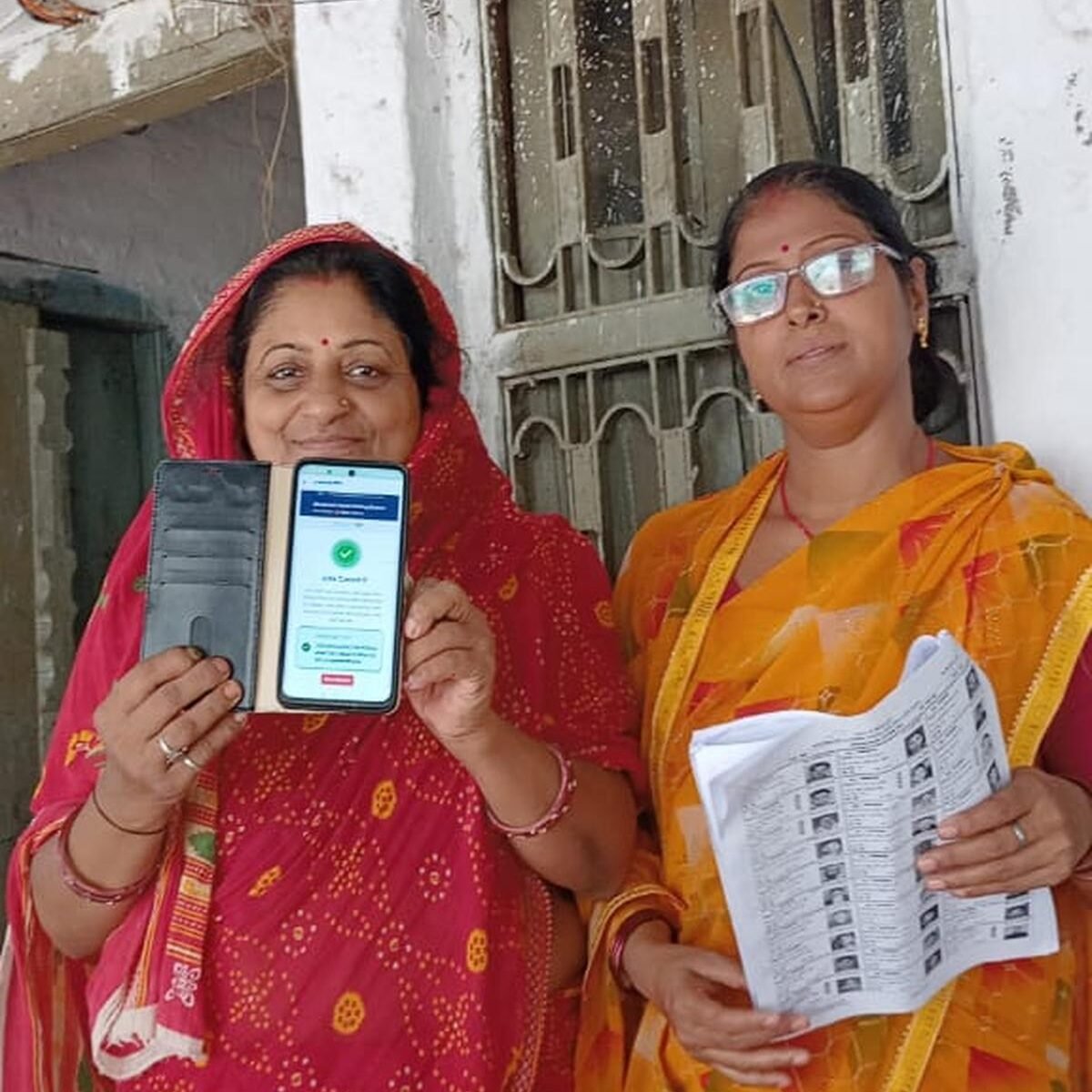
How E-Voting Worked
Voters registered through the Bihar Election Commission’s SECBHR app. After registering, they could vote online using their phones. This resulted in a high voter turnout—over 70% of registered users cast their votes through the app. In comparison, traditional polling booths saw only 54% voter turnout.
Challenges and Solutions
While e-voting offers many benefits, it also raises concerns about privacy and the possibility of fraudulent voting. To address these issues, the State Election Commission used advanced technology:
- Biometric Verification: Voters had to verify their identity using facial recognition, fingerprint, and optical verification.
- Limited Registrations: Only two people could register and vote using a single mobile number.
- Blockchain Technology: The SECBHR app is built on blockchain technology, which makes it nearly impossible to hack or alter election data. This ensures a high level of security and transparency.
Future of E-Voting in India
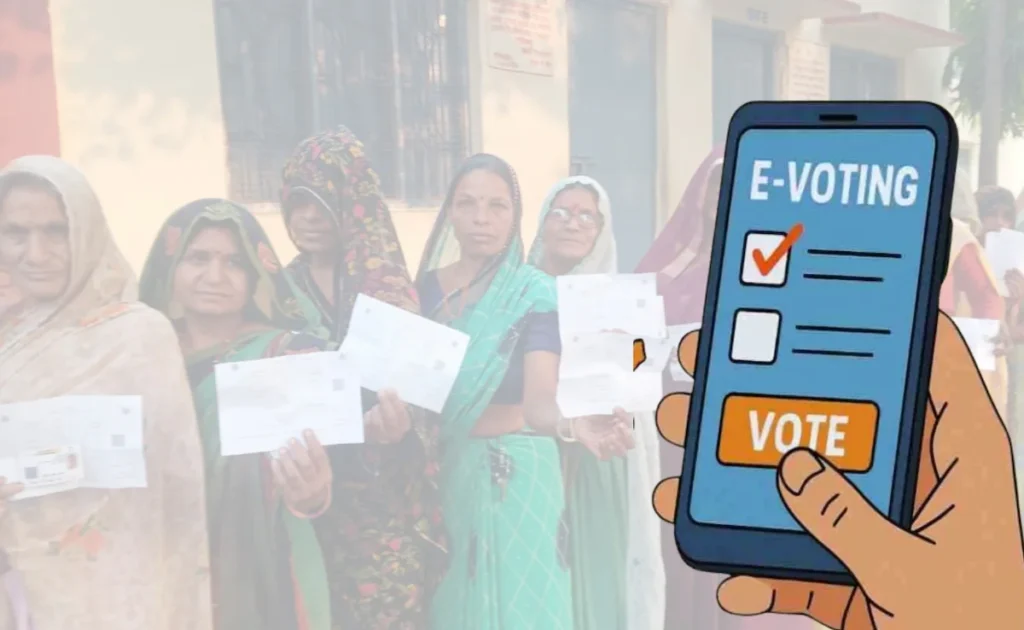
This e-voting initiative in Bihar was a pilot project and received a positive response from the public. The Election Commission is now considering whether to implement this technology in the upcoming state elections in October.
Will e-voting become the future of Indian elections? Let us know your thoughts in the comments. Stay tuned for more updates in our “90 Days of Exploring Indian Tech” series.